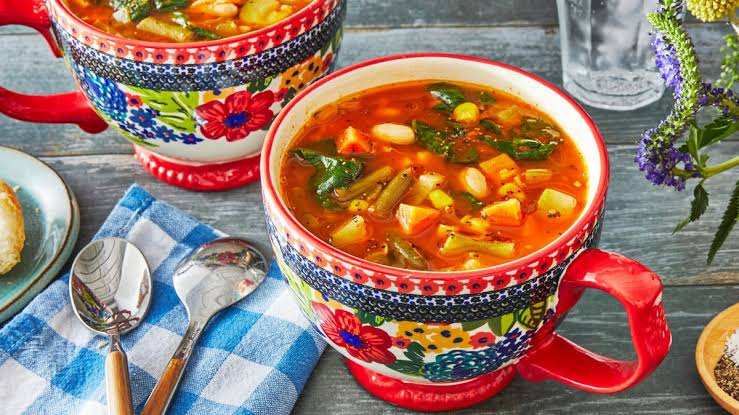
ingredients in qoghundos
Traditional foods carry stories, identities, and generations of wisdom within them. They are not just meals prepared for sustenance but expressions of culture, geography, and collective memory. Across different regions of the world, communities have developed recipes that reflect their environment, beliefs, and available resources. One such traditional preparation that has gained curiosity among food enthusiasts is qoghundos. To truly understand its significance, one must look beyond taste and examine the ingredients in qoghundos as a reflection of history, nourishment, and tradition.
The Cultural Significance of Traditional Dishes
Food plays a central role in preserving cultural heritage. Traditional dishes are often prepared during festivals, family gatherings, and significant life events. They symbolize unity and continuity. Recipes are passed down orally, with each generation adding subtle variations while maintaining the core essence.
Qoghundos is deeply rooted in such cultural practices. Its preparation is often associated with communal cooking and shared meals, reinforcing social bonds. The ingredients in qoghundos are chosen not only for flavor but also for their symbolic and nutritional value within the community.
Historical Roots of Qoghundos
Understanding a traditional dish requires exploring its origins. Qoghundos is believed to have emerged in regions where agriculture and pastoral living coexisted. The dish reflects a balance between plant-based components and preserved elements, making it suitable for different seasons. what cilfqtacmitd used in
Historically, communities relied on locally sourced foods that could be stored or prepared with minimal resources. Over time, the ingredients in qoghundos evolved slightly, adapting to changing climates and trade influences while retaining their original purpose and meaning.
The Role of Local Agriculture
Local agriculture plays a crucial role in shaping traditional cuisines. Crops grown in a region determine what becomes a dietary staple. In the case of qoghundos, its components reflect crops that thrive in specific soil and weather conditions.
Farmers cultivated grains, herbs, and vegetables that could sustain families throughout the year. These agricultural practices directly influenced the ingredients in qoghundos, ensuring that the dish remained accessible and nourishing for generations.
Nutritional Philosophy Behind Traditional Foods

Traditional foods often follow an intuitive nutritional philosophy. Without modern science, communities understood balance through experience. Meals were designed to provide energy, warmth, and strength.
Qoghundos follows this philosophy closely. Each component contributes to overall nourishment. When examining the ingredients in qoghundos, one can observe a thoughtful combination of carbohydrates, natural fats, and micronutrients that support daily activity and well-being.
The Importance of Seasonal Ingredients
Seasonality is a defining feature of traditional cooking. Ingredients were chosen based on availability, ensuring freshness and sustainability. Seasonal cooking also helped communities adapt their diets to environmental changes.
The ingredients in qoghundos often vary slightly depending on the time of year. Seasonal herbs or preserved elements may be added, allowing the dish to remain relevant and beneficial throughout different months without losing its identity.
Preparation Techniques Passed Through Generations
Preparation methods are just as important as ingredients. Techniques such as slow cooking, soaking, or fermenting enhance flavor and digestibility. These methods also extend shelf life and improve nutrient absorption.
The preparation of qoghundos reflects patience and attention to detail. Each step complements the ingredients in qoghundos, ensuring that their natural qualities are preserved and enhanced rather than masked.
Symbolism Embedded in Ingredients
Many traditional dishes include symbolic elements. Certain ingredients represent prosperity, health, or protection. These meanings are often deeply ingrained in cultural beliefs.
In qoghundos, specific components are associated with strength and resilience. The ingredients in qoghundos are not random selections; they carry meanings that connect the dish to rituals, celebrations, and shared values.
Adaptation in Modern Kitchens
As lifestyles change, traditional recipes often adapt to modern kitchens. While the essence remains the same, preparation methods may become more convenient. However, maintaining authenticity remains important for cultural preservation.
Modern adaptations of qoghundos still emphasize the original ingredients in qoghundos, even if tools or cooking times change. This balance allows the dish to remain relevant without losing its traditional roots.
Health Perspectives on Traditional Dishes
Modern nutrition science has begun to recognize the benefits of traditional diets. Many age-old recipes align with principles of balanced nutrition and whole foods.
Qoghundos is no exception. When analyzed today, the ingredients in qoghundos reveal a thoughtful composition that supports digestion, energy levels, and overall health when consumed as part of a balanced diet.
The Role of Flavor Balance
Flavor balance is central to traditional cooking. Sweet, savory, and earthy notes are combined to create satisfying meals without excessive seasoning.
The ingredients in qoghundos naturally complement each other, reducing the need for artificial enhancements. This natural balance is one reason why the dish remains appealing across generations.
Community and Shared Cooking Practices
Cooking traditional dishes often involves collective effort. Family members gather to prepare meals, sharing responsibilities and knowledge. This process strengthens relationships and ensures knowledge transfer.
Qoghundos is frequently prepared in such communal settings. The shared understanding of the ingredients in qoghundos creates a sense of belonging and continuity among participants.
Preservation of Culinary Identity
In a globalized world, preserving culinary identity becomes increasingly important. Traditional dishes act as anchors to cultural roots, especially for communities living abroad.
By continuing to prepare qoghundos using traditional ingredients in qoghundos, families maintain a connection to their heritage, passing on values and memories through food.
Educational Value of Traditional Recipes
Traditional recipes serve as educational tools. They teach younger generations about history, agriculture, and cultural values. Cooking becomes a form of storytelling.
Learning about the ingredients in qoghundos offers insight into regional biodiversity, resource management, and ancestral wisdom that extends beyond the kitchen.
Sustainability and Traditional Cooking
Sustainability is inherent in traditional cooking practices. Using local, seasonal ingredients reduces environmental impact and supports local economies.
The ingredients in qoghundos exemplify this sustainable approach, emphasizing minimal waste and efficient use of available resources.
The Emotional Connection to Food
Food is closely tied to emotion and memory. Certain dishes evoke feelings of comfort, nostalgia, and belonging.
For many, qoghundos represents home and family. The familiar ingredients in qoghundos trigger memories of shared meals and cultural celebrations.
Passing Recipes to Future Generations
Ensuring that traditional recipes survive requires intentional effort. Teaching younger generations how to prepare traditional dishes helps preserve cultural identity.
Explaining the significance of the ingredients in qoghundos encourages appreciation rather than mere replication, fostering respect for tradition.
Challenges in Preserving Authenticity
Modernization and convenience can sometimes dilute traditional practices. Ready-made alternatives may replace time-intensive methods.
However, preserving the original ingredients in qoghundos remains essential for maintaining authenticity and cultural value, even in changing environments.
The Role of Storytelling in Food Culture
Storytelling enhances the experience of traditional food. Stories about origins, variations, and personal memories enrich understanding.
Discussions about the ingredients in qoghundos often include anecdotes that connect the dish to historical events or family traditions.
Traditional Foods in Contemporary Diets
Incorporating traditional foods into contemporary diets promotes balance and diversity. These dishes often complement modern nutritional needs.
Qoghundos continues to find its place in modern meals, with its ingredients in qoghundos aligning well with whole-food-focused dietary approaches.
Respecting Cultural Origins

As interest in global cuisines grows, respecting cultural origins becomes crucial. Authentic representation honors the communities that developed these dishes.
Understanding and respecting the ingredients in qoghundos ensures that appreciation does not turn into appropriation.
FAQs
What makes traditional dishes nutritionally balanced?
Traditional dishes often combine whole foods in proportions that support energy, digestion, and long-term health.
Why are local ingredients important in traditional cooking?
Local ingredients ensure freshness, sustainability, and alignment with regional nutritional needs.
How do traditional recipes survive modernization?
They adapt in preparation methods while preserving core ingredients and cultural meaning.
Can traditional foods fit into modern diets?
Yes, many traditional dishes align well with contemporary health-focused eating patterns.
Why is cultural context important when preparing traditional foods?
Cultural context preserves authenticity, respect, and the deeper meaning behind recipes.
Conclusion
Traditional foods are more than culinary creations; they are living expressions of culture, history, and collective wisdom. By exploring dishes like qoghundos, we gain insight into how communities nourished themselves physically and culturally. Understanding the ingredients in qoghundos allows us to appreciate the careful balance of nutrition, symbolism, and sustainability embedded within the dish. Preserving such knowledge ensures that future generations can continue to experience not just the taste, but the identity and values carried through traditional food.
About the Author