When shopping for an anchor winch, the price difference between brands can be striking. Budget options sit at one end of the market, premium Australian-made units at the other, and plenty of choices in between. The question most boaters ask is whether the extra cost is actually worth it. The honest answer requires looking beyond the sticker price and considering what you are actually getting for your money.
How Much Do Lone Star Marine Winches Cost?
Lone Star Marine winches sit in the mid-to-premium tier of the anchor winch market. Their GX Series ranges from compact entry-level models suited to smaller boats through to large commercial-grade units for vessels over 60 feet. Pricing scales with drum size and motor power, with smaller models accessible to recreational buyers and larger models reflecting the engineering required for heavy-duty use. By their own acknowledgment, Lone Star Marine products typically cost around 10 to 20 percent more than some competing brands.
What Do You Get for the Price?
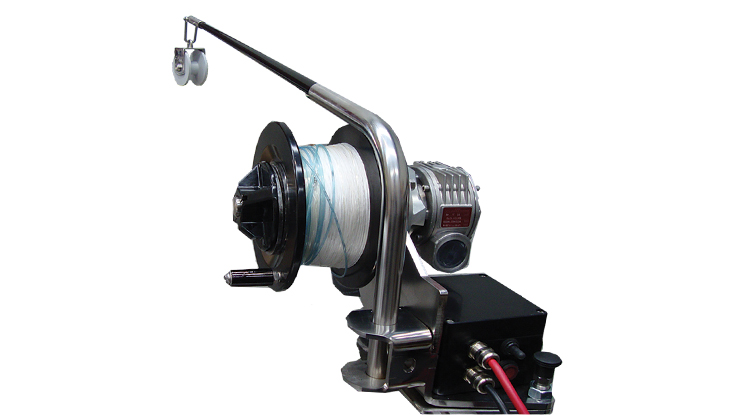
That price premium buys you a specific set of engineering features that cheaper brands do not offer. Every GX Series winch is built with IP68-rated waterproof and UV-proof motors, a standard that Lone Star Marine was the first in the industry to achieve with independent certification. The structural components are made from oversized 316 stainless steel and 6061 billet aluminum, with Italian-manufactured gears and a twin shaft bearing design that reduces side load on the transmission. An Emergency Manual Release comes as standard on every model. The result is the highest speed and torque per drum size available on the market, built under strict quality control in Australia.
What Do Cheaper Anchor Winches Typically Offer?
Budget anchor winches are not without their merits for light, infrequent use. However, compromises are common. Lower-grade materials such as painted mild steel, plastic internal components, and basic motor sealing are typical in cheaper units. Warranty terms are often shorter and harder to claim in practice. Retrieval speeds under load are generally slower, and waterproofing standards vary widely, with motor failure from water ingress being one of the most common causes of early failure in budget winches. These are not hypothetical concerns; they are the reasons many boaters find themselves replacing a cheap winch within a few seasons.
The Real Cost of Ownership: Cheap vs. Quality
The purchase price of an anchor winch is only part of the financial picture. A budget winch that costs significantly less upfront but requires replacement after two or three seasons will cost more over a five-year period than a quality unit bought once and maintained well. When you factor in the cost of a failed winch in a difficult situation, lost fishing time, emergency repairs, and the inconvenience of sourcing replacement parts for a discontinued model, the savings from going cheap often disappear quickly. The approach taken by lone star marine is to build products with long-term consumer satisfaction in mind, accepting a slightly higher upfront cost in exchange for a unit that performs reliably over many seasons without the ongoing expense of repairs and replacements.
Warranty and After-Sales Support: A Key Differentiator
One of the clearest ways to measure the difference between budget and premium winches is by looking at what the manufacturer stands behind. Lone Star Marine’s GX Series comes with a 5-year recreational warranty on the motor, gearbox, solenoid, and switchgear, plus a Lifetime Warranty against water ingress in the motor. No other anchor winch manufacturer in the world currently offers this standard. Beyond the warranty itself, their factory-trained support team handles claims and technical questions directly, which is a meaningful advantage over budget brands where after-sales support can be difficult to access.
Who Should Consider a Budget Winch?
Budget anchor winches are a reasonable choice for occasional boaters in calm, sheltered conditions with light anchors and minimal performance demands. If you anchor a small boat a handful of times per season in protected water, a cheaper unit may serve you adequately for several years. The trade-offs become more significant as your anchoring frequency, water depth, and vessel size increase.
Who Gets the Most Value from Lone Star Marine?
Boaters who anchor frequently, fish in demanding offshore conditions, or rely on their winch day in and day out will see the clearest return on a Lone Star Marine investment. Solo boaters who cannot afford a winch failure are another group for whom the reliability and warranty coverage justify the premium. For anyone who views their anchor winch as a long-term piece of safety equipment rather than a disposable accessory, the value proposition is straightforward.
Takeaways
Lone Star Marine winches cost more upfront than many alternatives, but the more relevant question is what they cost over time. When you account for build quality, retrieval performance, warranty coverage, and the reduced likelihood of early failure, the price premium of 10 to 20 percent above cheaper brands delivers significantly more than that in real-world value. Buying once and buying right is almost always the better financial decision on the water.
About the Author