G+ Its Closed
Have you ever wondered what happened to Google’s social media platform? Many people still search for it, asking, “g+ its closed?” If you were a user back in the day, you might miss its unique features. However, the service is officially gone. In this article, we will explore why Google decided to shut it down and what it means for the internet today.
What Was Google+?
Google+ was Google’s fourth attempt to build a social network. It launched in 2011 to compete with giants like Facebook. The platform aimed to connect people through “Circles,” which helped organize friends, family, and coworkers into different groups. It was a bold move by the tech giant to create a social layer for all its services.
Why Do People Search “G+ Its Closed”?
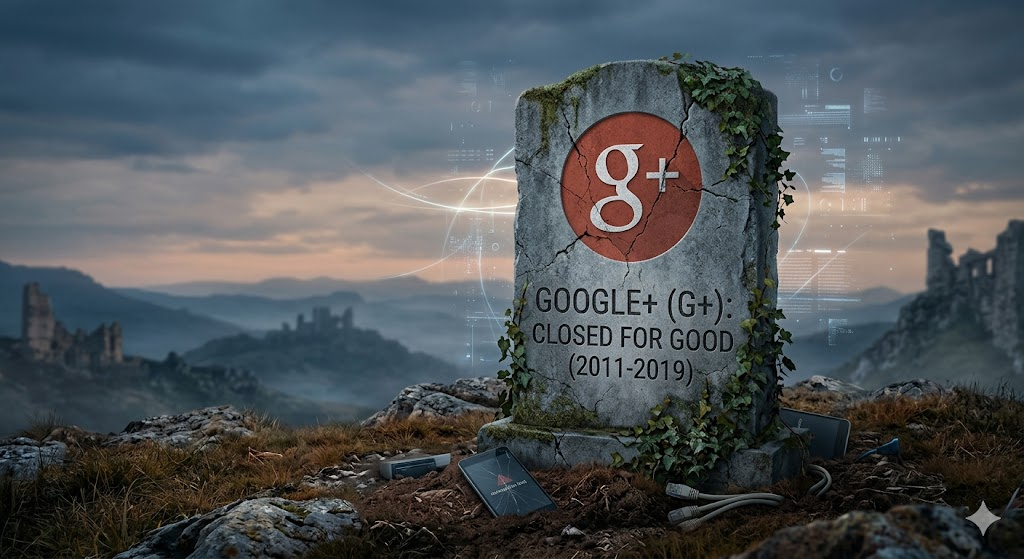
Users often search “g+ its closed” because they remember the platform but cannot find it anywhere. It is a common reaction when looking for old accounts or photos. The site was completely discontinued for personal and brand accounts on April 2, 2019. If you are looking for it today, you will only find information about its history, not the site itself.
The Official Reason for the Shutdown
Google officially shut down the service due to low user engagement. Many people signed up but rarely visited. Additionally, Google faced serious security challenges. They discovered software design flaws that potentially allowed outside developers access to private user information. These data breaches made the decision to close the platform much easier and faster for the company.
How Growth Expectations Failed
At the start, Google+ grew very quickly, hitting millions of users in just a few months. However, the quality of engagement was quite low. Reports from that time suggested that many users spent less than five seconds on the site. Google struggled to keep people interested, and it never truly became a daily destination for the average user.
The Problem with Forced Integration
One of the biggest mistakes was forcing Google+ on users. Google tried to boost adoption by linking it to Gmail and YouTube. For a while, you could not comment on a YouTube video without a Google+ account. This made many users angry and frustrated, which further hurt the platform’s reputation instead of helping it grow.
Security Issues and Data Leaks
Security was the final nail in the coffin. Google admitted to two major data leaks that could have exposed the personal info of millions of users. These vulnerabilities were a massive liability for a company that prides itself on privacy and trust. The company decided that maintaining such a product was no longer worth the risk.
The Transition to Enterprise
While the consumer version of the network died, the technology did not go to waste. For a while, Google kept a version of it alive for enterprise customers. It was meant to be an internal tool for companies to communicate. Even that has since been migrated or replaced by newer tools like Google Chat and Workspace features.
Lessons Learned from the Failure
The fall of this platform taught the tech industry a lot about user behavior. It proved that you cannot simply force users into a product just because you are a large company. People value a genuine, helpful experience over mandatory features. It also highlighted how critical data security is for modern social media platforms.
Where Are the Users Now?
After the platform shut down, most users migrated to other popular sites like Reddit, Twitter, or Discord. These communities were already established and offered more specialized ways to connect. The “Circles” feature was unique, but it wasn’t enough to keep people from moving to platforms that felt more natural and interactive.
How to Access Old Data
If you are still searching for your old posts or photos, Google provided a “Takeout” tool to export data before the final closure. If you didn’t save your content back then, unfortunately, it is likely gone forever. The platform was completely wiped from the web to ensure user privacy and security.
Comparison of Features: Google+ vs. Current Social Media
| Feature | Google+ (Then) | Modern Platforms (Now) |
| Organization | Circles (Custom groups) | Interest-based groups |
| Focus | Social layer for all apps | Specialized content streams |
| Privacy | Suffered data breaches | Enhanced security protocols |
| Access | Mandatory integration | Opt-in features |
Frequently Asked Questions
1. Is it true that g+ its closed forever?
Yes, the platform is officially discontinued and is no longer accessible to the public.
2. Can I still log into my old Google+ account?
No, all personal and brand accounts were deleted during the 2019 shutdown.
3. Why was Google+ so unpopular compared to Facebook?
It failed to provide a unique reason for users to switch, and forced integration made it feel like a chore.
4. Did Google+ really have security problems?
Yes, multiple data leaks exposed user information, which accelerated the decision to shut it down.
5. Can I recover photos I posted on the network?
If you did not download them using Google Takeout before 2019, they are permanently removed from their servers.
6. What replaced the features of Google+?
Many of its features were integrated into Google Workspace, while users moved to other social networks like Reddit or X.
Conclusion
The saga of the platform is a classic story of tech ambition meeting reality. While it had some great ideas, it struggled to balance growth with user experience. Learning why g+ its closed helps us understand the evolution of social media today. Have you moved on to a new favorite platform, or do you still miss the old days of Circles? Let us know in the comments below!
About the Author