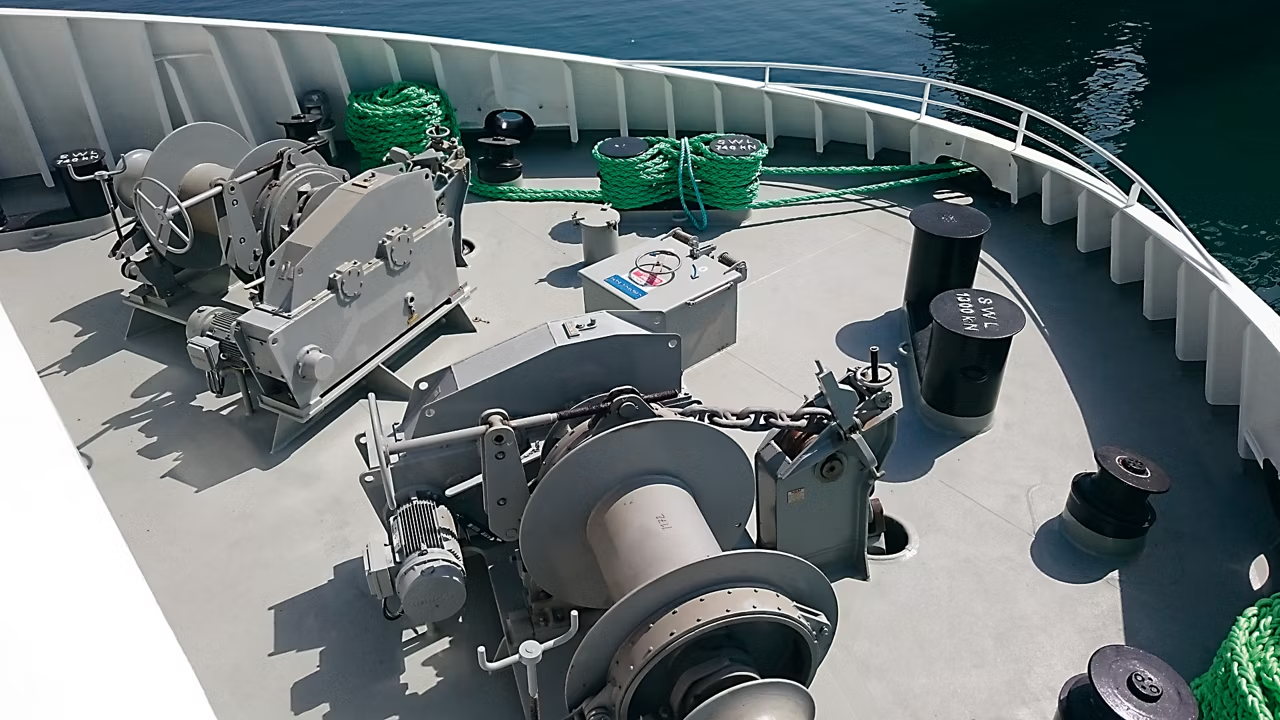
If you’ve ever struggled to haul a heavy anchor up by hand, especially in choppy conditions, you already know why an anchor winch is one of the most valuable additions to any boat. Whether you’re a weekend angler or a seasoned cruiser, understanding what this piece of equipment does and how it works can make your time on the water safer and far more enjoyable.
What is an Anchor Winch?
An anchor winch is a mechanical device mounted on the bow of a boat that is used to deploy and retrieve the anchor. Instead of manually pulling up your anchor and rode (the rope and chain that connects the anchor to the boat), the winch does the heavy lifting for you, often with nothing more than the press of a button.
Anchor winches come in several forms, but they all serve the same core purpose: making anchoring easier, faster, and safer for boaters of all experience levels.
Types of Anchor Winches
Electric Anchor Winches
The most popular choice for recreational boaters, electric winches connect to your boat’s battery and are operated via a toggle switch or wireless remote. They’re easy to install, low maintenance, and ideal for boats ranging from small runabouts to large cruisers.
Hydraulic Anchor Winches
Hydraulic winches use fluid-powered motors to generate high torque, making them the go-to option for large commercial vessels. They’re powerful and reliable but require an existing hydraulic system, which makes them less practical for most recreational boats.
Manual Anchor Winches
Manual winches are hand-cranked and don’t require any power source. They’re lightweight, affordable, and suited to smaller boats with lighter anchors. The trade-off is the physical effort required, particularly in deep water.
Windlass vs. Drum Winch
Two terms you’ll encounter often are windlass and drum winch. A windlass uses a fixed gypsy (a toothed wheel) to grip and feed the chain or rope, which then drops into an anchor locker below deck. A drum winch, on the other hand, coils the entire rode neatly onto a rotating drum above deck.
Drum winches are generally favored for their cleaner line management and lower risk of tangling, while windlasses are popular for their compact deck profile and widespread availability.
How Does an Anchor Winch Work?
The process of using an anchor winch is straightforward once you understand the basic steps.
1. Powering on the system. For electric models, the winch is activated via a switch at the helm or a handheld remote. The motor engages and the drum or gypsy is ready to turn.
2. Deploying the anchor. Pressing the “down” control releases the anchor, allowing the rode to feed out in a controlled manner. Many drum winches also offer a freefall mode for faster deployment.
3. Setting the anchor. Once the anchor reaches the seabed, you let out additional rode, typically three to five times the water depth, to give the anchor enough scope to set properly.
4. Retrieving the anchor. When it’s time to leave, the winch motor reverses direction, winding the rode back onto the drum or feeding it back through the gypsy. The anchor is lifted from the seabed and returned to the bow roller.
5. Locking and securing. Once the anchor is home, the winch locks into position automatically. A chain stopper is used to take the static load off the winch while the boat is underway.
Choosing the Right Anchor Winch
When selecting a winch, consider your boat’s size and displacement, the type and weight of your anchor, and the depths you typically anchor in. As a general rule, it’s better to size up. Having more lifting capacity than you need is always preferable to coming up short. Also think about how often you anchor. A boat used daily needs a winch with a higher duty cycle than one used occasionally on weekends.
Anchor Winch Maintenance Tips
Keeping your winch in good shape is simple with regular care. Rinse it with fresh water after every outing to prevent salt buildup and corrosion. Inspect moving parts periodically for wear, and apply marine-grade grease to lubricate components at least once a year. Before storing your boat for winter, rinse both the winch and the rode thoroughly and follow the manufacturer’s winterization guidelines.
In Summary
An anchor winch is more than just a convenience; it’s a safety tool that reduces strain, minimizes risk, and gives you greater control when anchoring. Whether you’re upgrading an existing setup or outfitting a new boat, investing in the right winch for your needs will pay off every time you drop the hook.
About the Author