GM Recalls 6 2
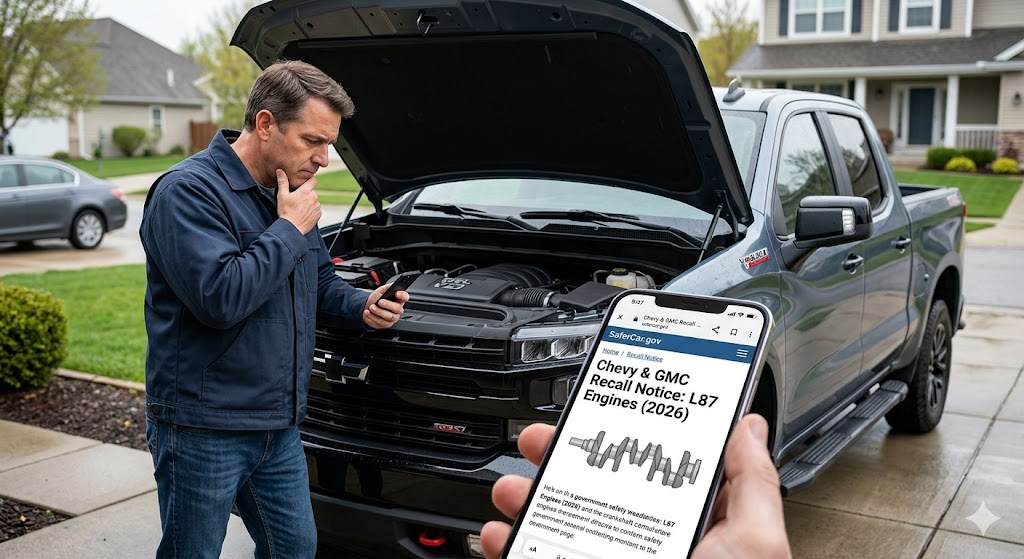
If you own a modern Chevy or GMC truck, you might have heard some scary stories lately. Many drivers are talking about the GM recalls 6.2 engine problem that has left thousands of people stranded. It is a big deal because these are powerful V8 engines found in expensive vehicles like the Silverado and the Cadillac Escalade. Recently, General Motors (GM) had to face the facts about manufacturing defects in their 6.2L L87 engines.
This issue isn’t just a small leak or a weird noise. For many, it means the engine stops working completely while they are driving on the highway. I remember helping a friend last year whose truck started making a “ticking” sound that quickly turned into a loud bang. It was terrifying for them. Because of stories like that, the government and GM are taking action. If you want to keep your family safe and your truck on the road, you need to know exactly what is happening with this recall in 2026.
Which Vehicles Are Part of the GM Recalls 6.2 Update?
The most important question is: “Is my truck on the list?” The GM recalls 6.2 campaign mainly focuses on vehicles built between 2021 and 2024. However, there are new reports in 2026 showing that even some newer models might be having similar troubles. The main engine involved is the L87 V8, which is famous for its power but is now famous for a specific factory mistake.
GM has identified over 600,000 vehicles that might have bad parts inside the engine. This includes the Chevrolet Silverado 1500, the GMC Sierra, and the huge SUVs like the Tahoe and Yukon. Even the luxury Cadillac Escalade is not safe from this manufacturing defect. If you bought one of these high-end rides, you should check your VIN (Vehicle Identification Number) on the official GM or NHTSA website immediately. Don’t wait for a letter in the mail to find out if your engine is a “ticking time bomb.”
Understanding the Crankshaft and Connecting Rod Defect
So, what is actually breaking? The heart of the GM recalls 6.2 issue is the crankshaft and the connecting rods. Think of these as the legs of your engine. In some batches, these parts were not made correctly at the factory. They might have tiny bits of dirt in the metal or were shaped slightly wrong. When you drive, these parts rub against each other too hard, causing massive heat and friction.
Eventually, the “rod bearing” can fail. When this happens, the engine can “seize,” which is a fancy way of saying it gets stuck and stops moving instantly. This causes a total loss of propulsion. Imagine driving at 60 miles per hour and your engine just turns off. You would lose your power steering and your brakes would become very hard to press. This is why the recall is a high-priority safety matter for everyone on the road.
Symptoms of a Failing 6.2L V8 Engine
Before a total breakdown, your truck might try to tell you something is wrong. Many owners involved in the GM recalls 6.2 reports mentioned hearing a “knocking” or “tapping” sound coming from under the hood. This usually gets louder as you speed up. You might also see a “Check Engine” light or an “Oil Pressure Low” warning on your dashboard.
Another sign is finding metal shavings in your oil. When those internal parts start to grind away, they leave behind tiny bits of silver metal. If you or your mechanic see this during an oil change, do not keep driving! It means the engine is eating itself from the inside out. My advice is to always listen to your vehicle. If it sounds different than it did when it was brand new, it is time for a professional inspection at the dealership.
The 0W-40 Oil Solution: Why the Change?
One of the most surprising parts of the GM recalls 6.2 fix is the oil change. For years, these engines used thin 0W-20 oil to help save gas. But to help the “sick” engines survive, GM is now telling owners to switch to a thicker 0W-40 dexosR synthetic oil. The idea is that thicker oil provides a stronger “cushion” between the moving parts, which might prevent the bearings from failing.
When you go in for the recall service, the dealer will likely swap your oil and give you a new oil filler cap. This new cap will say “0W-40” so that nobody accidentally puts the thin stuff back in later. While this isn’t a “magic fix” for a broken part, it is a crucial step in the safety protocol. It helps keep the engine cooler and better protected under heavy loads, like when you are towing a trailer or driving in hot weather.
Full Engine Replacement: When Is It Necessary?
If the dealer inspects your truck and finds that the damage has already started, they won’t just change the oil. Under the GM recalls 6.2 guidelines, if your engine shows signs of bearing failure or crankshaft damage, you are eligible for a complete engine replacement. The best part? This is done at zero cost to you because it is a safety recall.
Getting a brand-new engine might sound like a win, but it can be a long process. Some owners have reported waiting weeks or even months for parts to arrive. However, having a fresh engine installed by certified technicians is the only way to truly fix the manufacturing defect. Make sure you ask your dealer about a “loaner car” or “rental reimbursement” while your truck is in the shop, as many people have successfully received help with transportation.
Comparing Affected GM Models and Years
| Vehicle Model | Affected Years | Primary Engine | Recall Action |
| Chevy Silverado 1500 | 2021–2024 | 6.2L V8 (L87) | Inspect / Replace / Oil Change |
| GMC Sierra 1500 | 2021–2024 | 6.2L V8 (L87) | Inspect / Replace / Oil Change |
| Chevrolet Tahoe | 2021–2024 | 6.2L V8 (L87) | Inspect / Replace / Oil Change |
| Chevrolet Suburban | 2021–2024 | 6.2L V8 (L87) | Inspect / Replace / Oil Change |
| GMC Yukon / XL | 2021–2024 | 6.2L V8 (L87) | Inspect / Replace / Oil Change |
| Cadillac Escalade / ESV | 2021–2024 | 6.2L V8 (L87) | Inspect / Replace / Oil Change |
The 10-Year / 150,000-Mile Extended Warranty
To help regain the trust of their customers, GM is offering something extra. If your vehicle passes the inspection and gets the new oil, you might qualify for a special extended warranty. This covers the engine for up to 10 years or 150,000 miles. This is a great piece of mind for anyone worried about the GM recalls 6.2 issues happening down the road.
This warranty is “transferable,” which means if you sell your truck, the next owner still gets that protection. This helps keep the resale value of your vehicle high. Just make sure you keep all your service records! If you don’t have proof that you did your oil changes on time, GM might try to deny a claim later. Always stay organized with your paperwork to protect your investment.
What Should You Do If Your Truck Stalls?
If the worst happens and your engine fails while you are driving, do not panic. The GM recalls 6.2 failure usually results in a “loss of propulsion.” This means the wheels will still roll, but the engine won’t provide power. Turn on your hazard lights immediately. Try to steer the vehicle toward the shoulder of the road while you still have some momentum.
Once you are safely stopped, call for a tow truck. Do not try to restart the engine repeatedly, as this can cause more damage or even a fire if oil leaks onto hot parts. Tell the towing company to take the vehicle straight to a GM dealership. Since this is a known safety issue, you should document everything. Take photos of any warning lights and keep the receipt for the tow truck. This will help you get your money back later.
Legal Rights and the “Lemon Law” for GM Owners
Some people have had such a hard time with the GM recalls 6.2 situation that they are looking at legal options. If your truck has been in the shop for more than 30 days total, or if they have tried to fix the same problem many times without success, you might have a “Lemon.” Every state has different laws, but many protect consumers who bought defective vehicles.
There are also class-action lawsuits starting in 2026. These are groups of owners who are working together to hold GM accountable for the engine failures. If you feel like the recall isn’t enough to fix your situation, talking to a lawyer who specializes in automotive law might be a smart move. You could be entitled to a full refund or a brand-new replacement vehicle.
Conclusion
The GM recalls 6.2 engine story is still unfolding, but you don’t have to be a victim of a bad manufacturing run. By checking your VIN, staying on top of your oil changes with 0W-40, and listening for early warning signs, you can keep your truck running strong. GM is trying to make things right with free repairs and extended warranties, so take advantage of those offers as soon as possible.
Remember, a vehicle is a big investment and a tool for your daily life. Don’t let a mechanical defect take away your peace of mind. Reach out to your local dealer today and make sure your V8 is healthy and safe for the road ahead. Have you had an experience with this recall? Sharing your story helps others in the community stay informed!
Frequently Asked Questions
1. How do I check if my truck is part of the GM recalls 6.2?
You can visit the GM Recall Center website or NHTSA.gov. All you need to do is type in your 17-digit VIN. It will tell you if there are any open recalls for your specific vehicle.
2. Is the 6.2L V8 a bad engine?
Not necessarily. Most 6.2L engines are very reliable. The recall is specifically for certain batches made between 2021 and 2024 that had manufacturing errors in the internal parts.
3. Will GM pay for my rental car during the repair?
In many cases, yes. Because the GM recalls 6.2 involves a safety defect that can take a long time to fix, dealers are often authorized to provide a loaner car or pay for a rental.
4. Can I still use 0W-20 oil?
If your vehicle is part of the recall and the dealer tells you to switch, you must use 0W-40 dexosR oil. Using the old, thinner oil could void your warranty and lead to engine damage.
5. What is the “ticking” sound everyone mentions?
The ticking sound is often the first sign that the lifters or bearings are starting to fail. If you hear this, you should get an inspection immediately to prevent a catastrophic failure.
6. Is there a fire risk with this recall?
Yes, in rare cases. If the engine block breaks (called a “windowed block”), hot oil can spray onto the exhaust and cause a fire. This is why you should stop driving if you hear loud banging noises.
About the Author